The tools that came before, and the people who built them
Flow arts software has mostly been built by practitioners who needed a tool and knew how to make one. This page documents that lineage: reference apps, simulators, and community platforms, with working links to the tools that remain available.
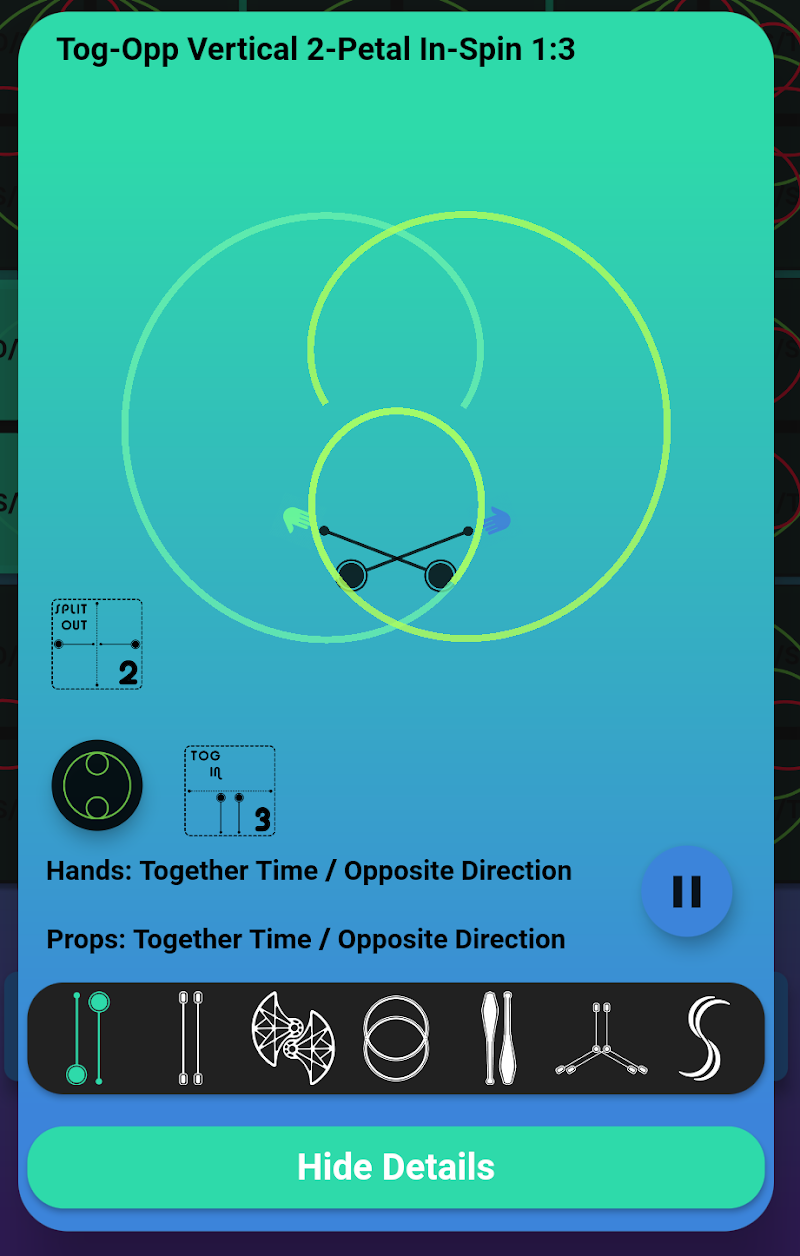
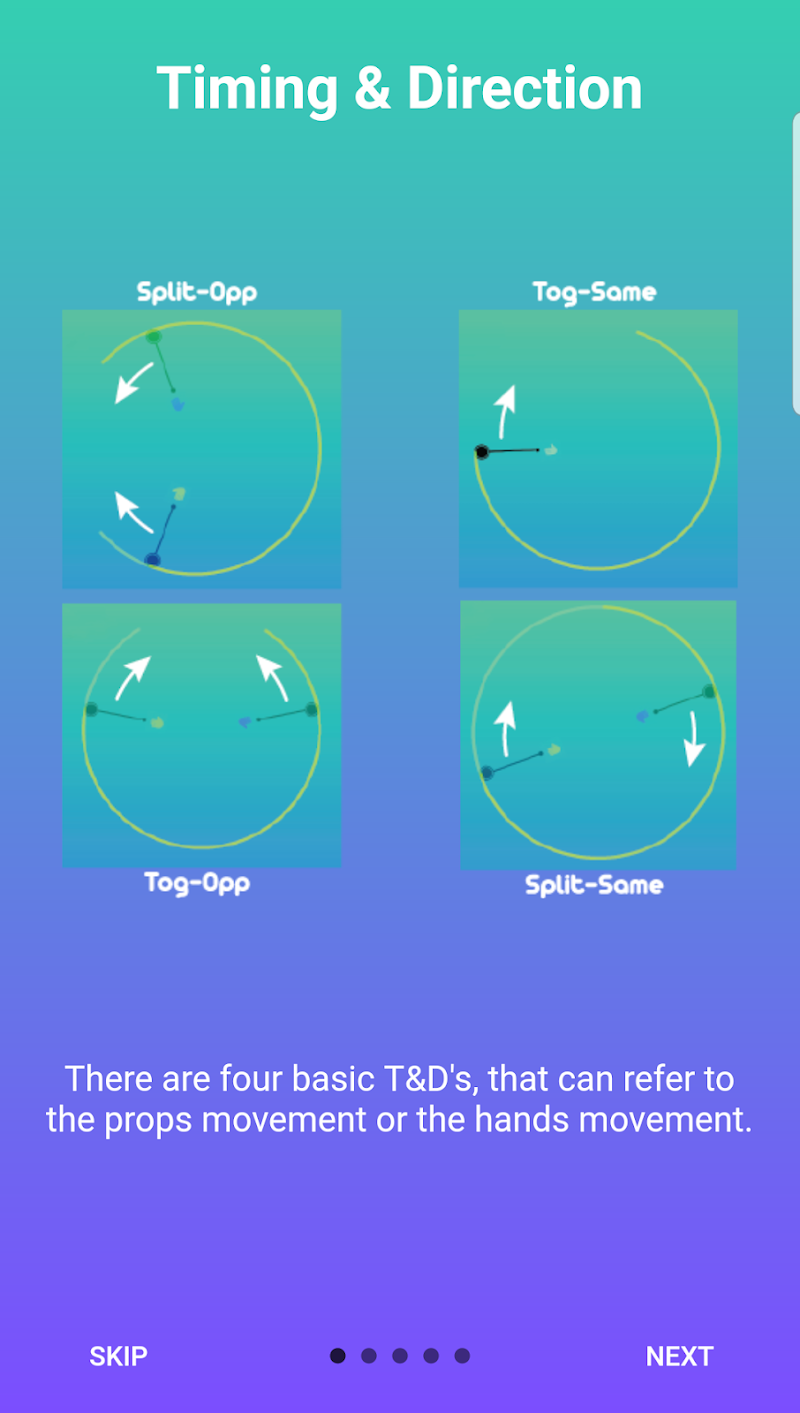
Vulcan Tech Gospel gave flow artists a shared vocabulary for timing, direction, and motion type. The VTG app turned that framework into a pocket reference: animations, quizzes, and pattern layouts covering staff, poi, clubs, hoops, fans, buugeng, and triads. The app has gone through multiple versions with different developers over the years. The current release comes from Michael Caden Pike and Noel Yee, and it is still available on both stores.
For what VTG contributed to The Kinetic Alphabet itself, read the Notation lineage.
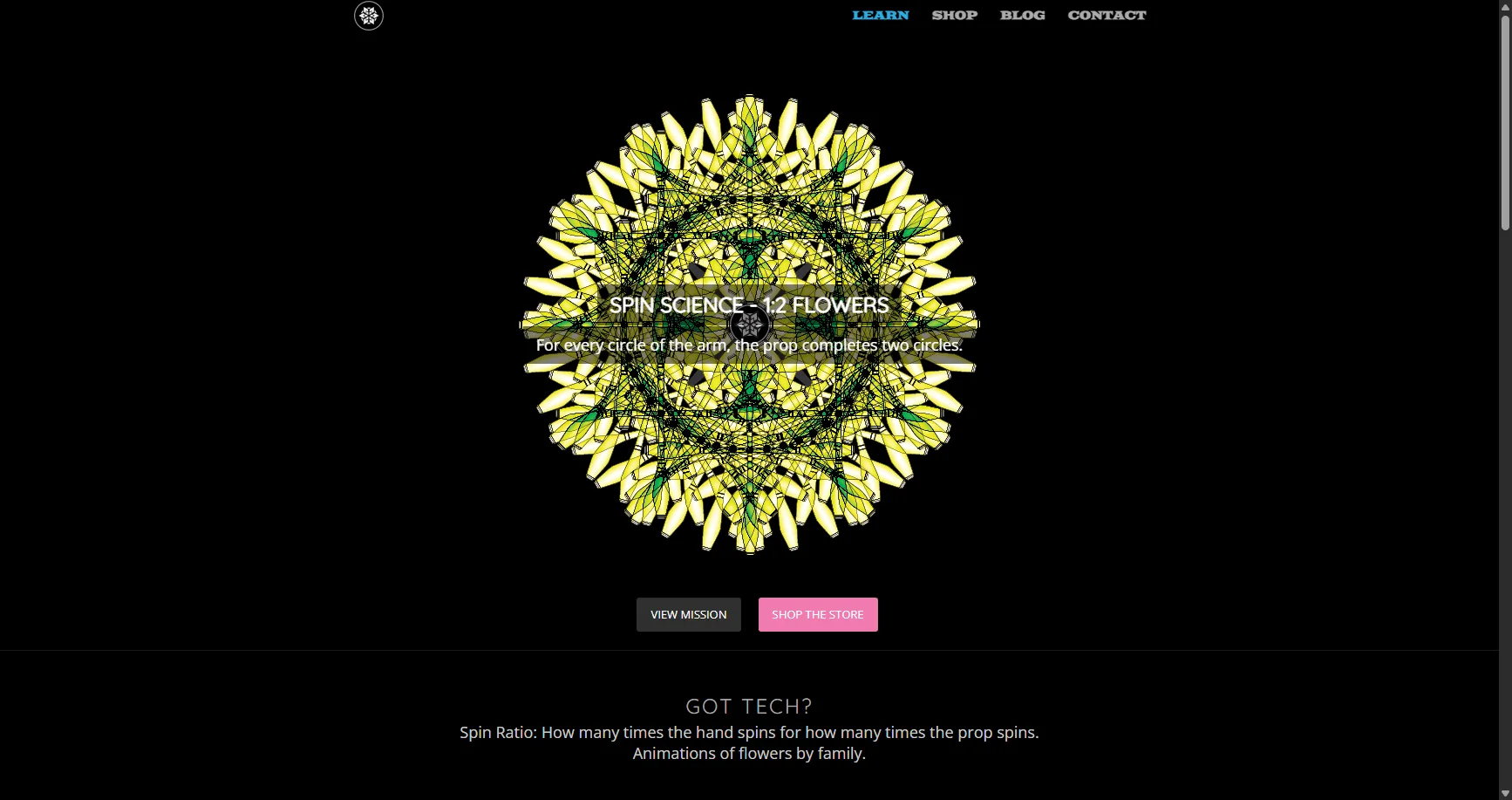
Not every tool was software. Lorq Nichols spent years mapping poi movement into printed systems through Spin Science: the Shape Matrix, 324 Patterns, the 144 Atomic Hybrids, the 9 Flower Families, and the Book of P.H.A.T., built with contributions from Brian Thompson, David "Tankboy" Cantor, and Noel Yee. Charts and posters rather than apps, but they do the same job a simulator does: show you the pattern space so you can map it.
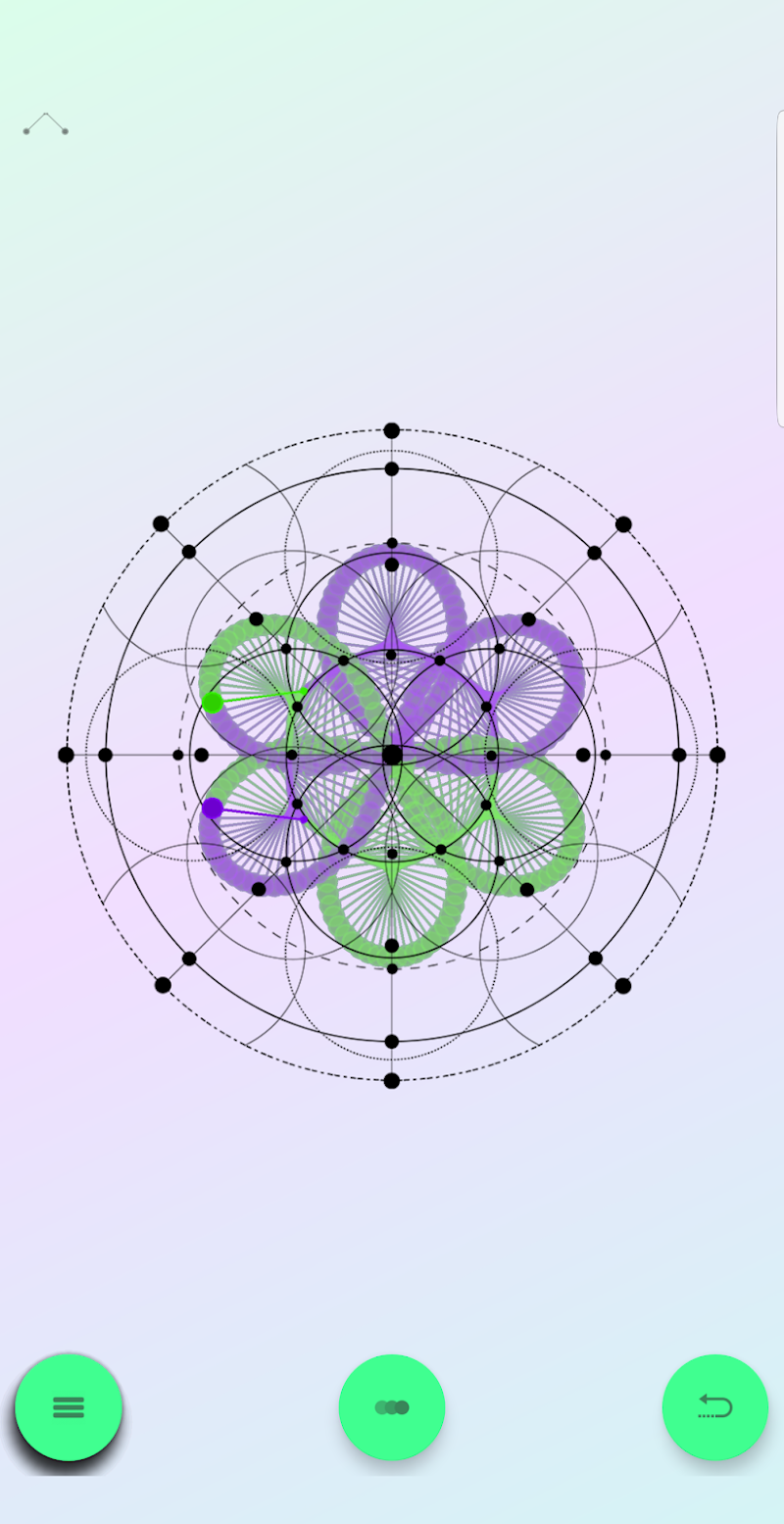
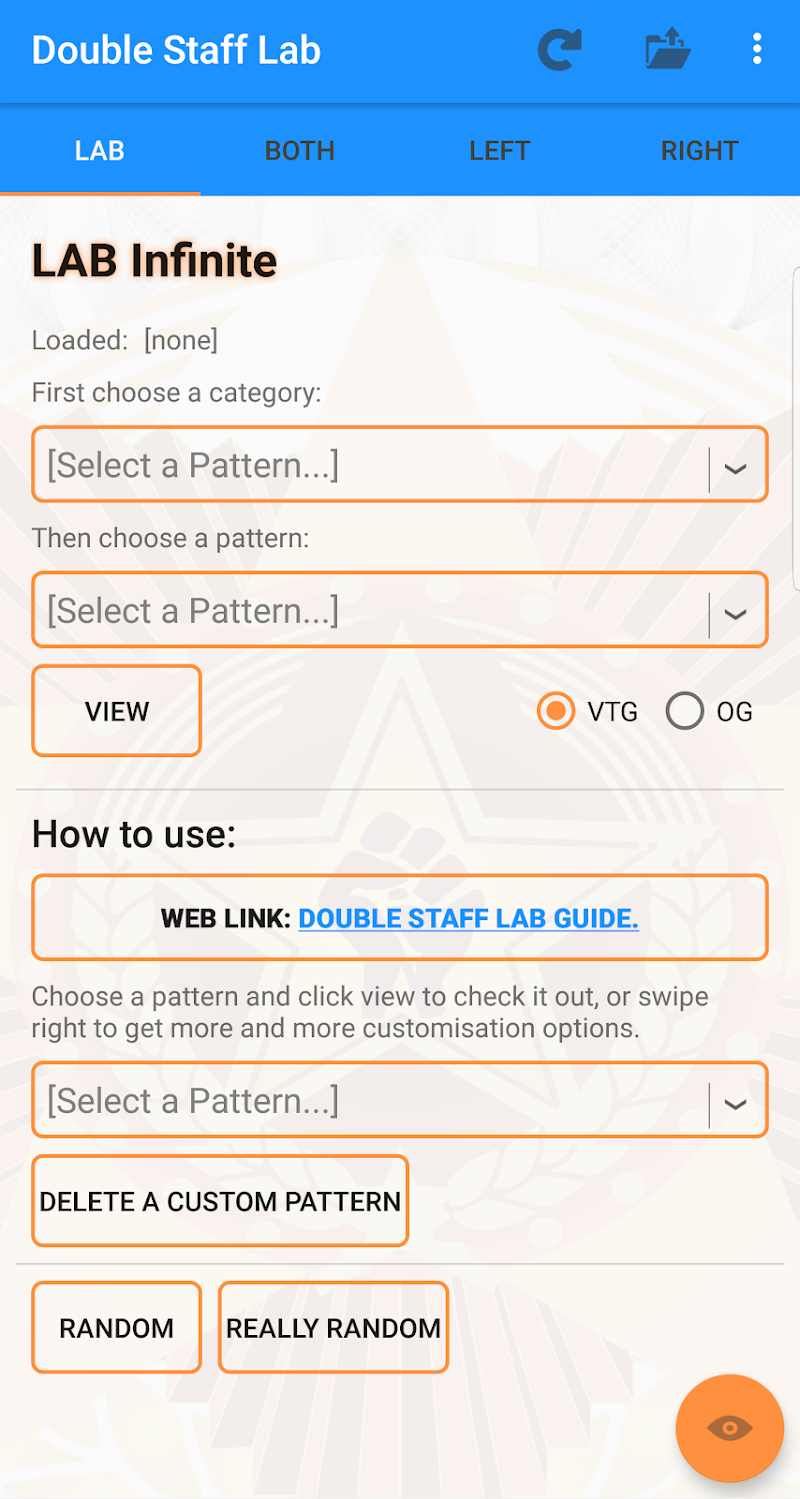
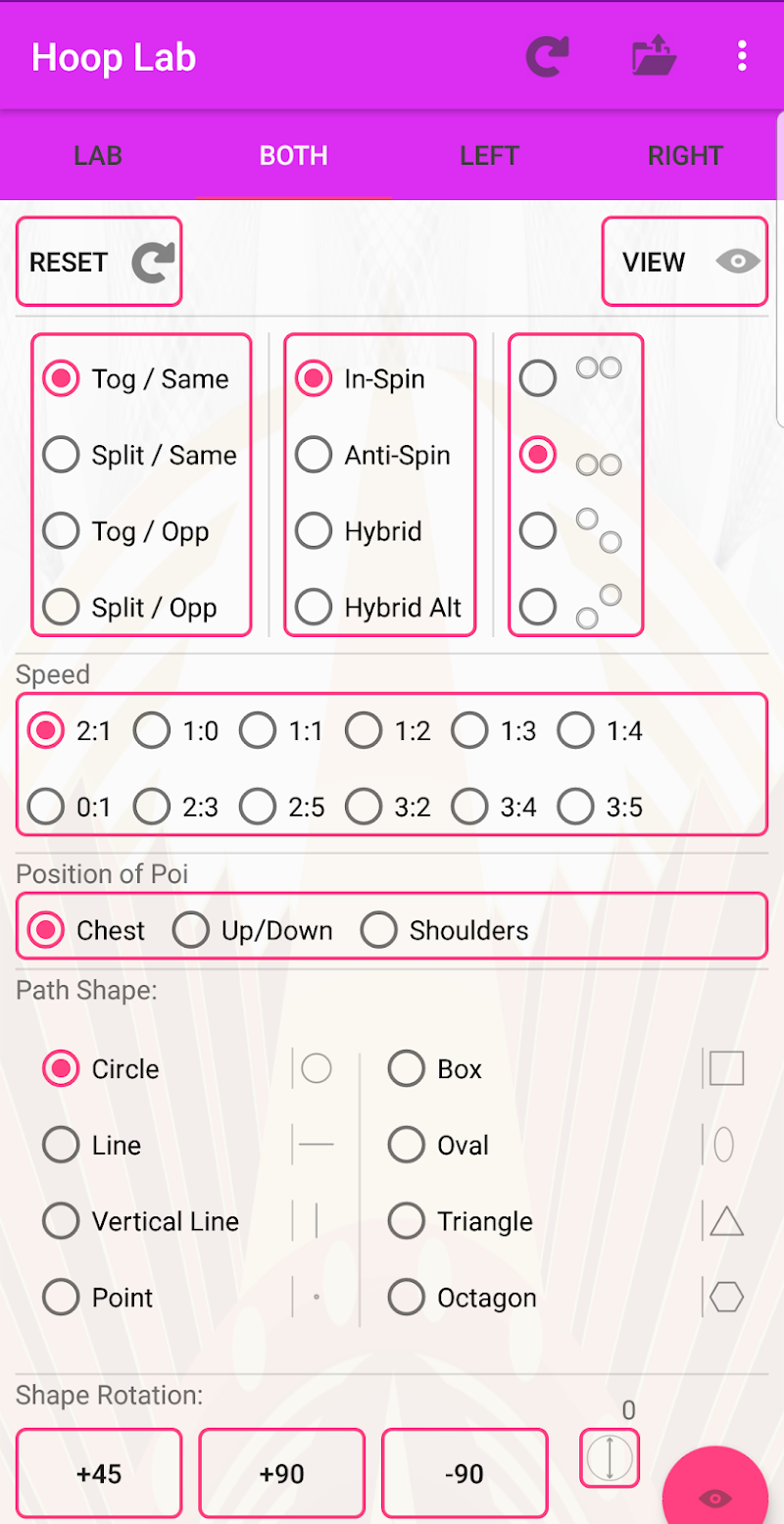
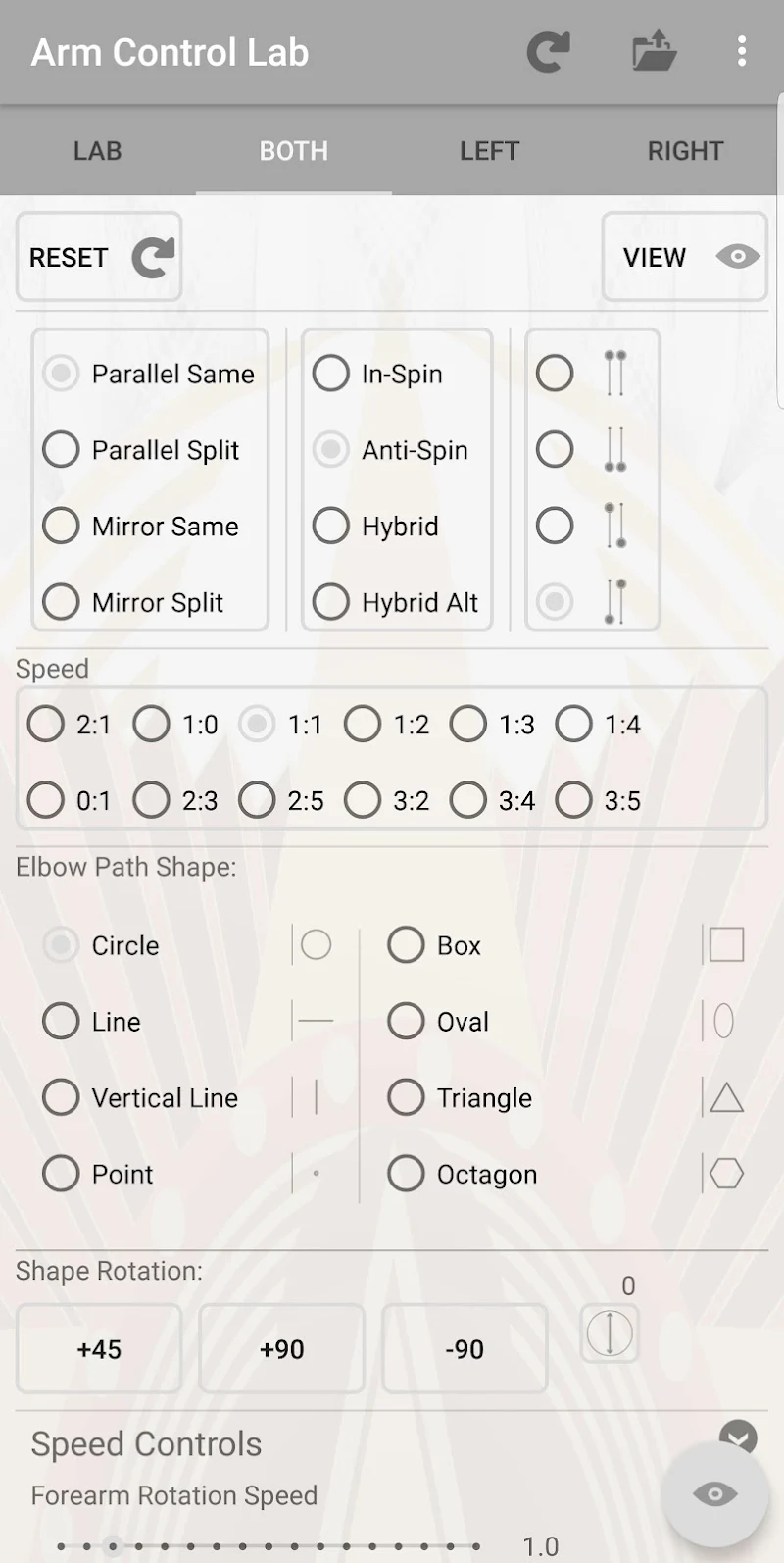
Michael Caden Pike kept going. Over the years he shipped a suite of simulators: Poi LAB, Double Staff LAB, Hoop Twinz LAB, and the Arm Control (Tutting) Lab. Each one lets you program a move, watch it animate as 2D trails, slow it down, and share the pattern. Double Staff LAB alone ships more than a hundred patterns, labeled in VTG terms or old-school names. The family last saw updates in early 2024, and all four remain downloadable.
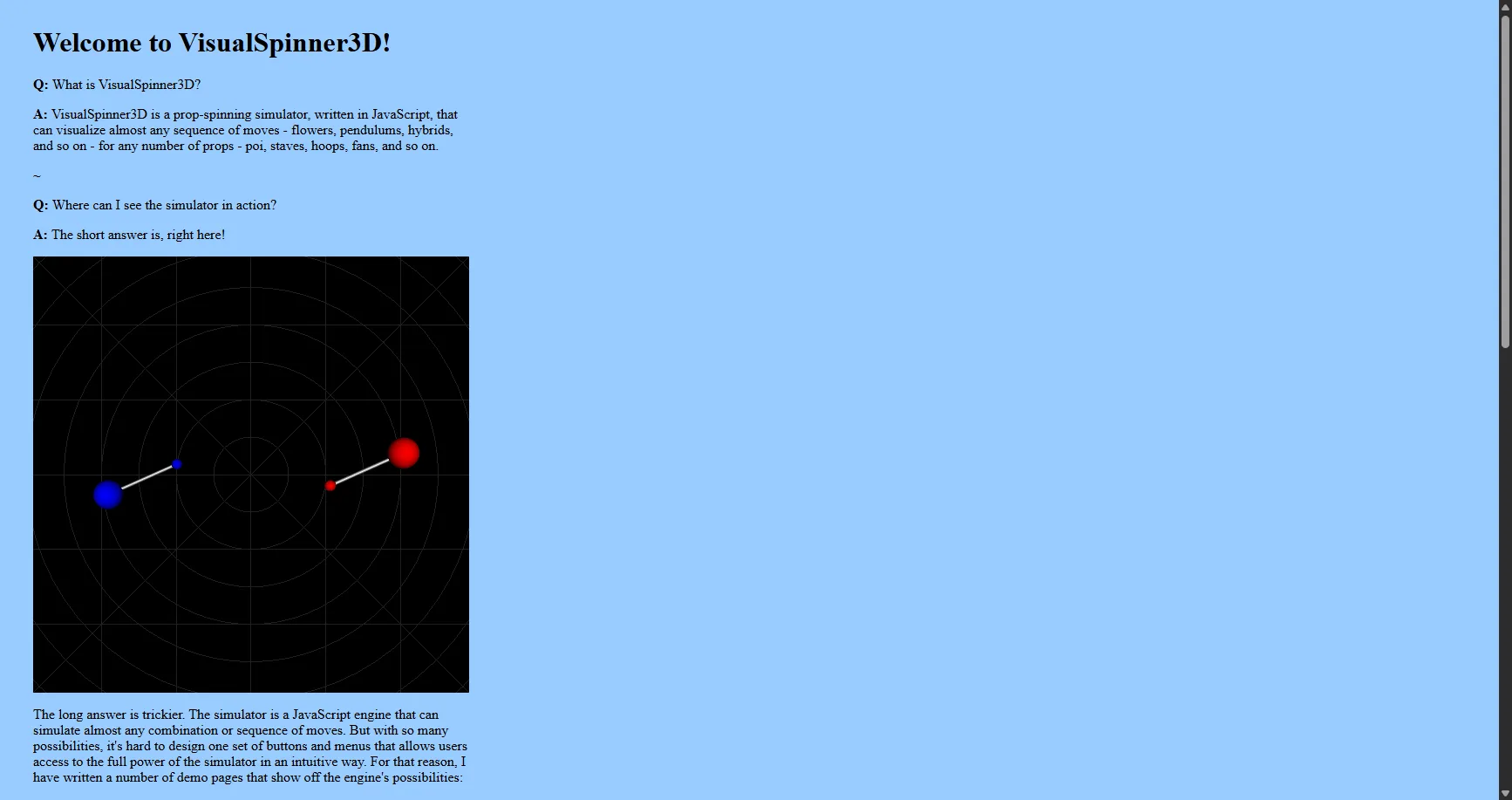
VisualSpinner3D took a different route: no install, just a web page. Glenn Wright, a fire spinner and programmer, built an open source simulator that renders flowers, pendulums, and hybrids for poi, staff, hoop, and fans right in the browser. It went up around 2014 and it still runs today, with the source on GitHub.
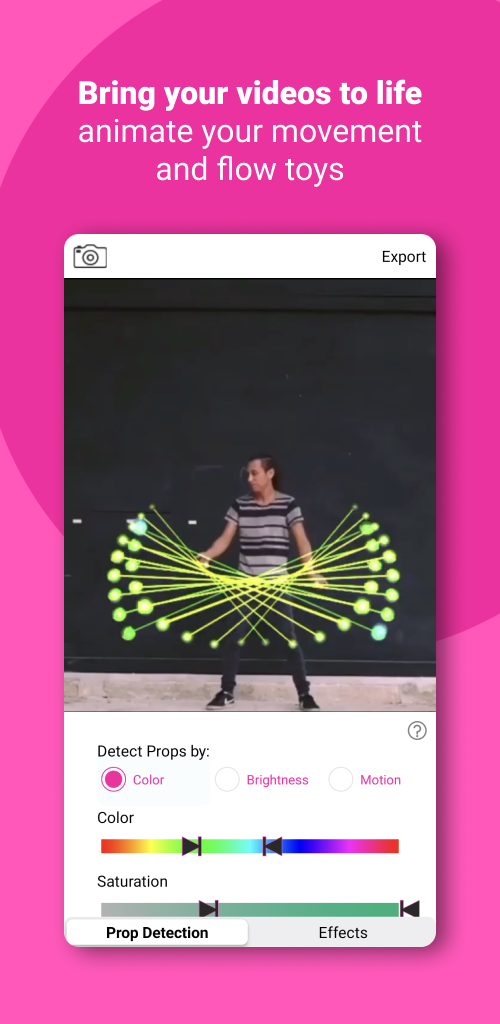
The current generation splits by purpose. AR Flow Arts by Ian Borukhovich overlays glowing trails and particle effects onto flow footage shot with your phone. Flow Arts Meet Up by Ty Roachford found real traction in the community: an app for finding jams, festivals, and other spinners near you, with event listings and a vendor marketplace along the way.

These tools approach movement as references, catalogs, simulators, effects, or community infrastructure. In 2016, Tiffany Fong built PoiNotation, a Scala domain-specific language for writing poi moves as text. The source remains on GitHub. The surviving public repository ends with that course release.
TKA takes a different route: a pictograph for each beat and a pronounceable label for the sequence. Flow Arts Composer is the flow arts software built on it: sequences written as notation, composed step by step, animated with supported props, and shared with artists who know the conventions.
Built flow arts software? Remember a tool this page is missing, or spotted a detail that is wrong? Submit it below. Every submission gets reviewed, and anything that belongs here gets added with credit. Statuses on this page were last checked in July 2026.
Flow Arts Composer runs in your browser and costs nothing.
Open Flow Arts Composer